What Anxiety Actually Looks Like: It’s More Than Worry
When most people hear the word anxiety, they picture someone who worries too much. But anxiety can show up in many ways—and sometimes it doesn’t look like worry at all.
It may look like exhaustion, irritability, perfectionism, procrastination, difficulty sleeping, or constantly needing reassurance. You might appear calm and capable on the outside while feeling overwhelmed and on edge inside.
Anxiety Can Show Up in Your Body
Anxiety is not only something you think—it is something your body can feel. When your nervous system senses a threat, it may shift into survival mode, even when you are not in immediate danger.
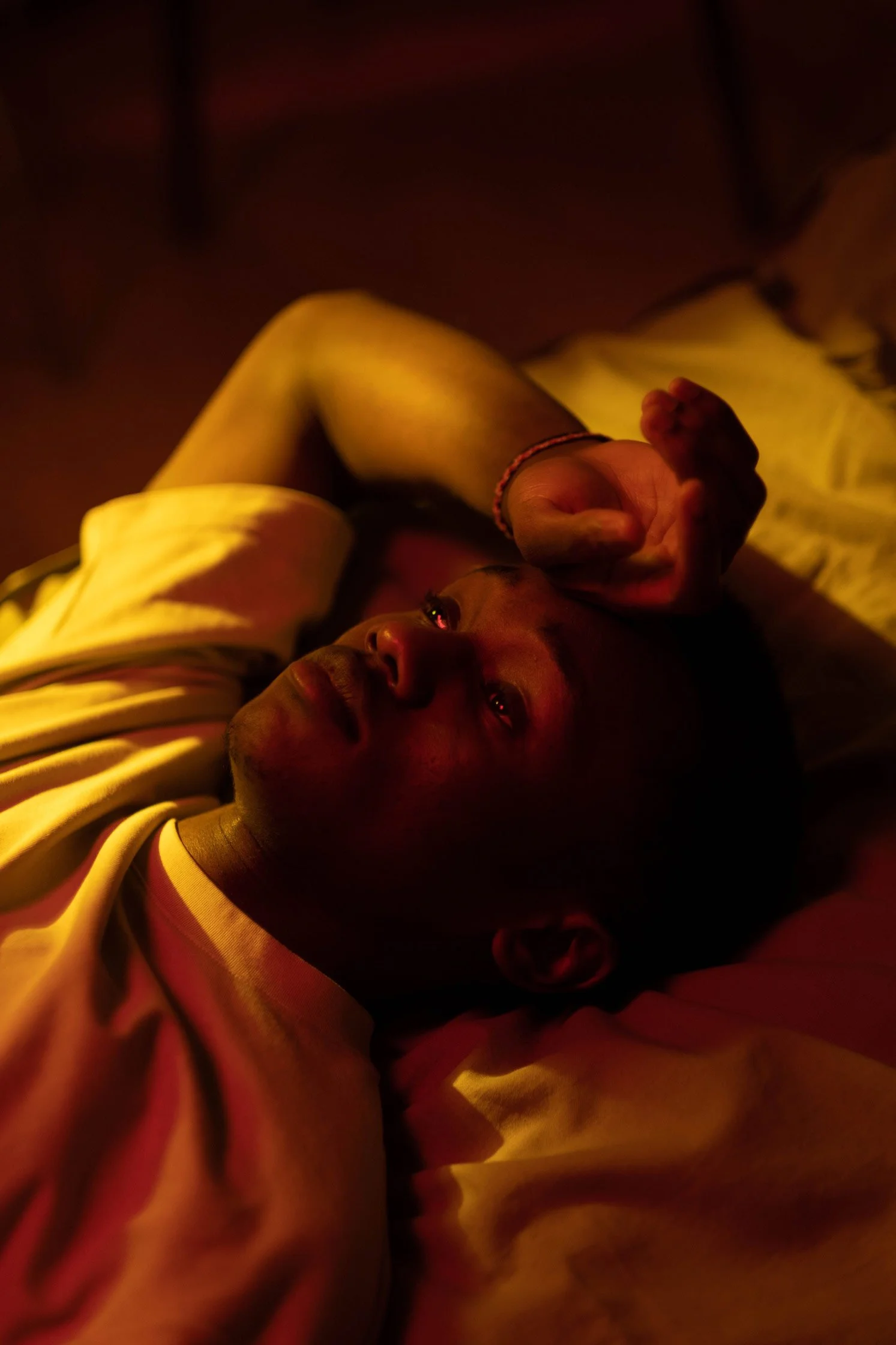
Physical signs of anxiety can include:
A racing or pounding heart
Tightness in your chest
Shallow breathing or feeling unable to take a deep breath
Headaches or muscle tension
Stomach problems or nausea
Dizziness or feeling light-headed
Shaking, sweating, or feeling overheated
Difficulty sleeping
Constant fatigue
Feeling restless or unable to relax
These symptoms are real. They are not “all in your head,” and they do not mean you are weak. They may be your body’s way of telling you that it has been carrying too much for too long.
Anxiety Can Look Like Overthinking
Anxiety often creates a mind that never seems to switch off. You may replay conversations, question your decisions, or imagine every possible outcome before taking the next step.
You might find yourself thinking:
What if I make the wrong decision?
Did I upset someone?
What if something bad happens?
Why can’t I handle this better?
Even small choices can begin to feel overwhelming when your mind is constantly searching for danger or trying to prevent mistakes.
Anxiety Can Look Like Perfectionism
Perfectionism is sometimes praised as being hardworking or responsible. But underneath it may be a fear of failure, criticism, rejection, or disappointing others.
Anxiety-driven perfectionism may look like:
Setting impossible expectations for yourself
Rechecking your work repeatedly
Avoiding something because you may not do it perfectly
Struggling to celebrate your accomplishments
Feeling like nothing you do is ever good enough
Being much harder on yourself than you would be on anyone else
Perfectionism can create the illusion of control, but it often leaves you feeling exhausted and disconnected from your own needs.
Anxiety Can Look Like Procrastination or Avoidance
Procrastination is not always laziness. Sometimes it happens because a task feels emotionally overwhelming.
You may avoid phone calls, appointments, social situations, difficult conversations, or unfamiliar experiences. Avoidance can bring temporary relief, but it may also strengthen anxiety over time by teaching your brain that the situation was too dangerous to face.

Anxiety Can Look Like Irritability
Anxiety does not always look fearful. Sometimes it looks like frustration, impatience, anger, or becoming easily overwhelmed.
When your nervous system is already overloaded, everyday inconveniences can feel like too much. You may snap at the people you care about and then feel guilty afterward. This does not mean you are a bad person—it may mean you have been operating with very little emotional capacity left.
Anxiety Can Look Like People-Pleasing
If you regularly put everyone else’s needs before your own, struggle to say no, or feel responsible for other people’s emotions, anxiety may be playing a role.
People-pleasing can come from a fear of conflict, rejection, judgment, or letting someone down. You may agree to things you do not have the energy for and then feel resentful, depleted, or invisible.
Healthy boundaries are not selfish. They help you protect your well-being and build healthier relationships.
Anxiety Can Look Like Needing Control
When life feels unpredictable, anxiety may cause you to hold tightly to routines, plans, or expectations. Last-minute changes can feel unsettling, and uncertainty may be especially difficult to tolerate.
Trying to control everything is often an attempt to feel safe. The problem is that life cannot always be predicted, and carrying that responsibility can become exhausting.
Anxiety Can Hide Behind a High-Functioning Life
You can go to work, care for your family, meet deadlines, smile, and still struggle with anxiety.
High-functioning anxiety may look like being dependable and successful while privately experiencing racing thoughts, self-doubt, physical tension, and a constant fear of falling behind. Because others see you coping, they may not realize how much effort it takes for you to get through the day.
You do not have to wait until everything falls apart before asking for support.
You Are Not Your Anxiety
Anxiety can affect your thoughts, emotions, body, behaviours, and relationships—but it does not define who you are.
With the right support, you can begin to understand your triggers, calm your nervous system, challenge unhelpful thought patterns, develop healthier boundaries, and respond to yourself with greater compassion.
You do not need to “just stop worrying.” You deserve a safe space where you can feel heard, understood, and supported as you learn new ways to move forward.
If anxiety has been controlling your life, I’m here to help. I offer supportive counselling for youth, adults, and couples through in-person and virtual sessions.
You have spent enough time surviving. Let’s help you begin feeling more like yourself again.
Anxiety Free Living with Tracy G
Soulful Empowerment Counselling